Dear Patricia,
Being an executive director of a nonprofit means that you have to be comfortable talking about money. More importantly, you have to be comfortable asking for money. When I was a university professor and curator, I tried to start raising funds to build a new lab at the museum. The university president at the time pulled me into her office and told me that fundraising was not my job and to stay in the classroom. While I did eventually raise the funds for the lab (after that president was forced out), I knew talking with donors about money was a skill I needed to develop when I joined MRC. With tremendous support from the MRC Board of Directors, staff, and colleagues, I have been given opportunities to learn and practice on the job every day.
Which is a good thing, because the past few years have seen drastic changes in nonprofit funding and financial stability—MRC included. Massive cuts to federal, state, and local funding have affected more than 85% of nonprofits across the country. Federal grants have been cut by 40% since 2024 and funding through the Florida Department of Environmental Protection has been cut by 40% since 2022. This reduced funding has driven an unprecedented surge in competition for private foundation and individual funding. 87% of private foundations have seen an increase in the number of proposals, with ⅔ of nonprofits reporting that they are submitting more grants. More than half of the almost 2 million nonprofits in the US are having more difficulty securing funding and have found that the amount of funding has dropped when they do secure a grant.
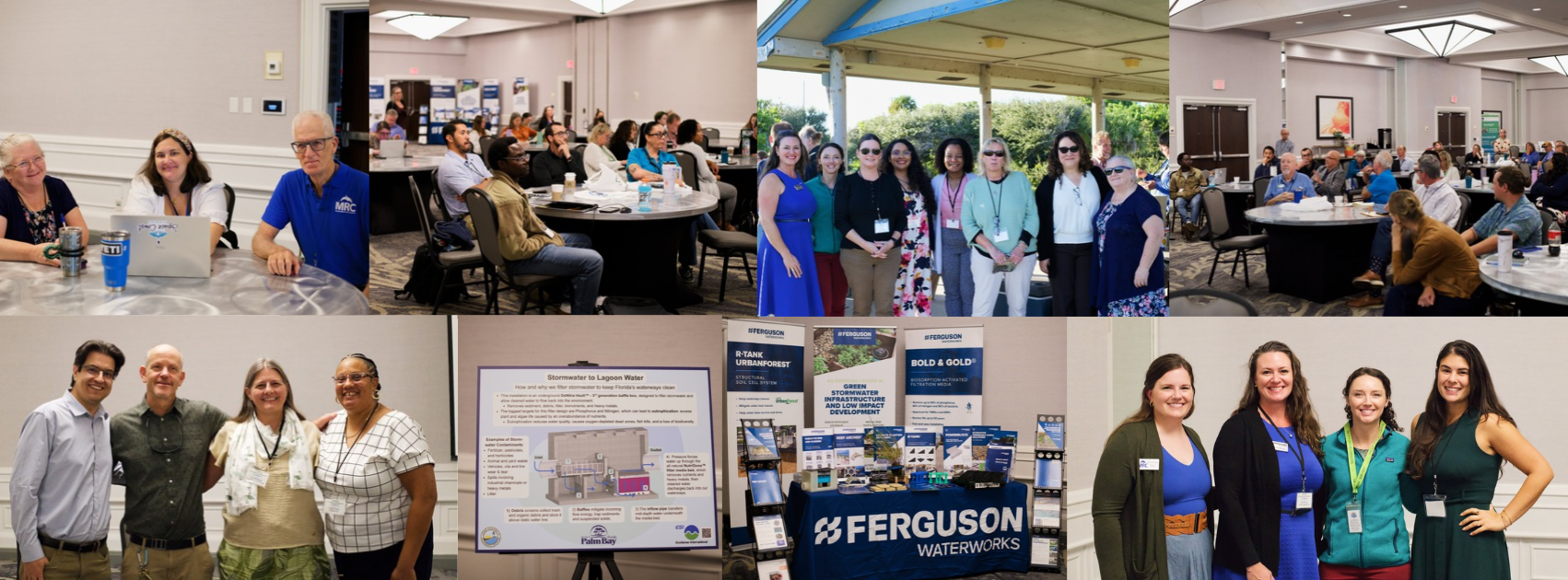
Meanwhile, individual giving has grown by over 13% in the last two years. You’re probably seeing the effects of this shift in funding with the number of end-of-year appeals hitting your mailbox. Yes, you will likely see an appeal letter from us in the next few days. Marine Resources Council gets around 75% of its funding from individuals. The rest comes from taking on private shoreline restoration clients, selling mangroves, our annual Low Impact Development Conference, and the occasional grant or municipal restoration contract (like our long-standing restoration work with the Town of Jupiter Island). This is all to say that the science, education, and advocacy work MRC staff do are thanks to YOU!
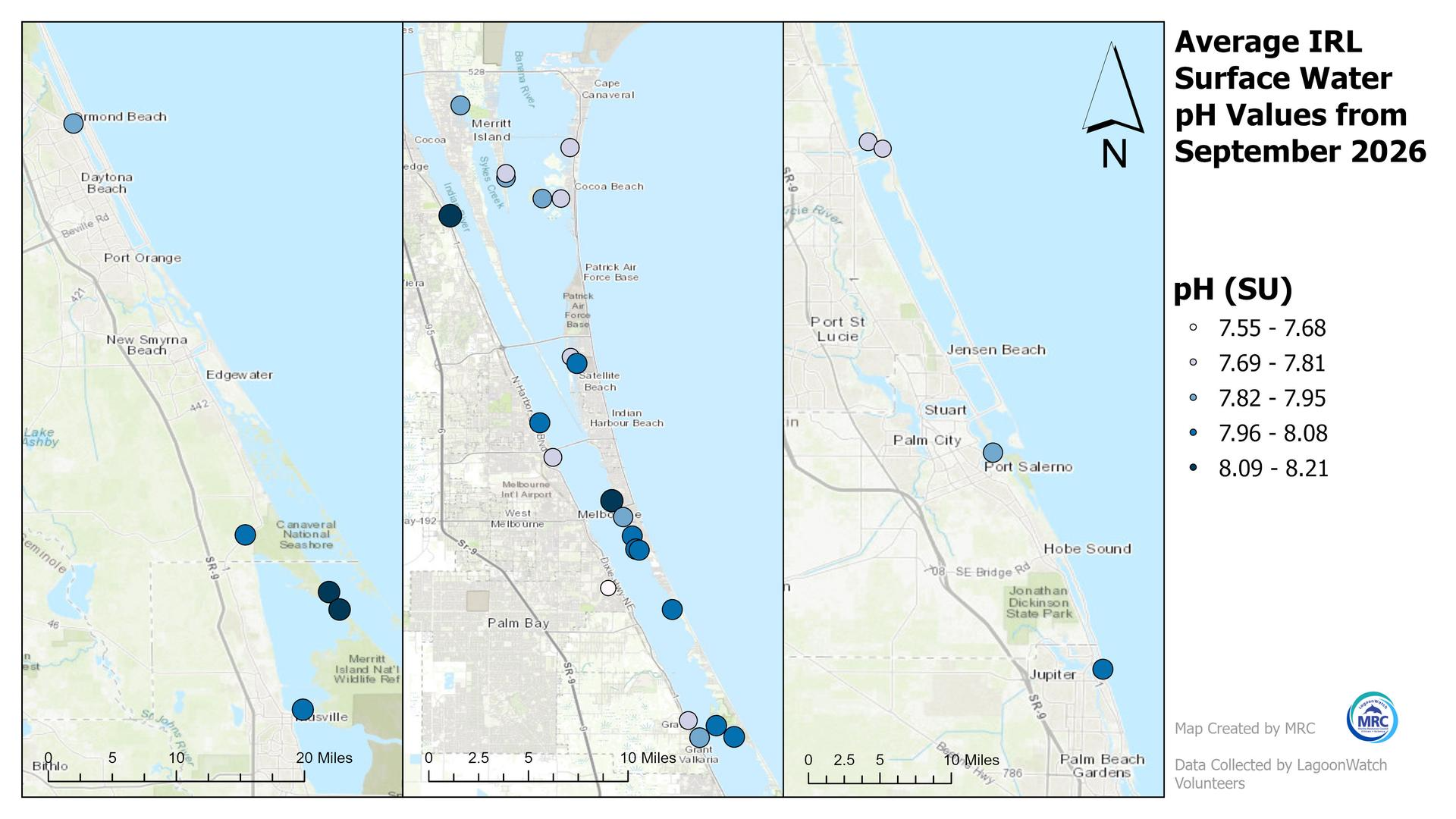
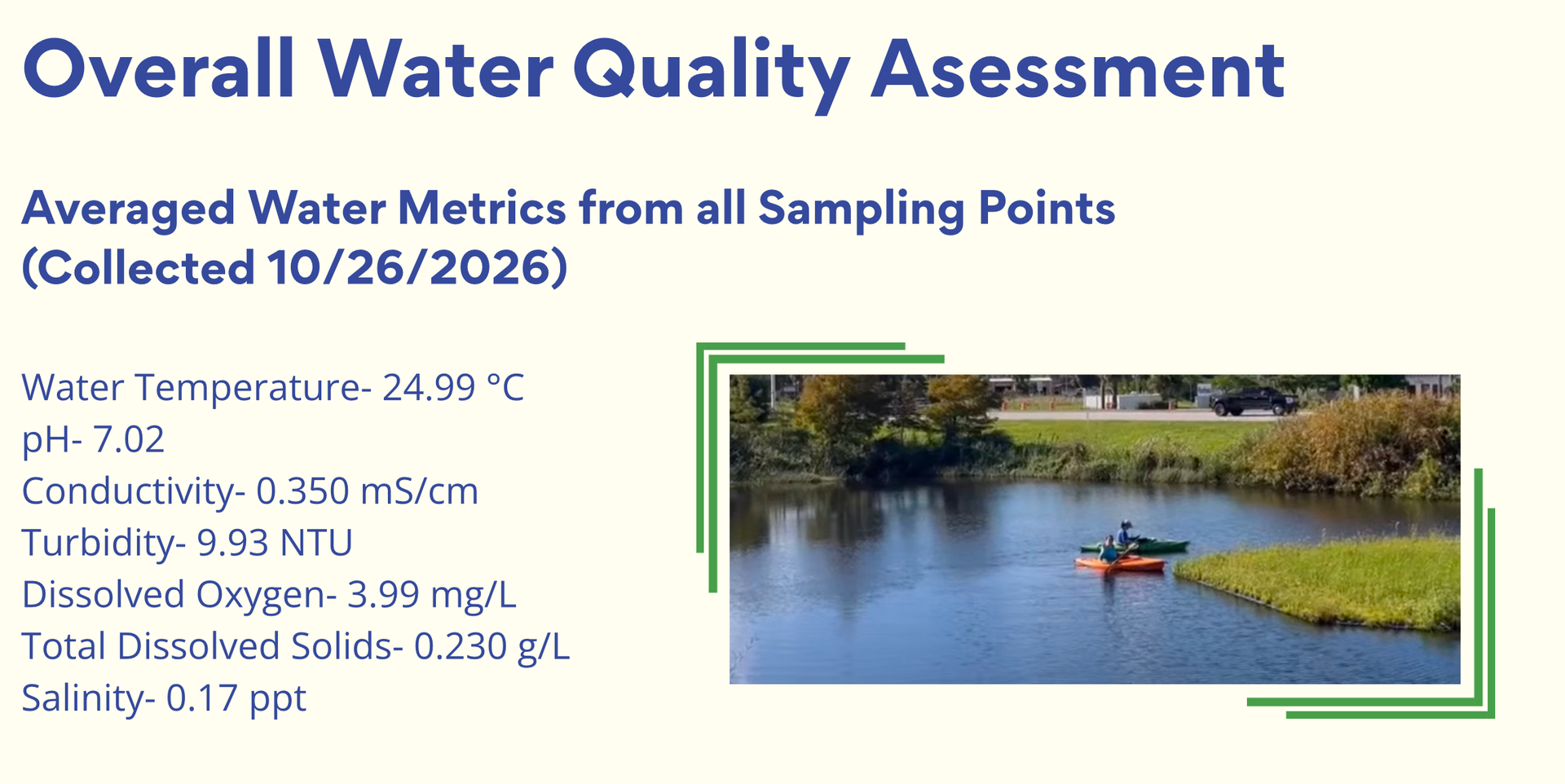
And we have so much to celebrate together this year. So far, MRC equipped our LagoonWatch volunteer network with digital probes, brought in 10 more citizen scientist monitors, and started releasing monthly water quality updates. We have wrapped up ten shoreline restoration projects along Florida’s coast, with more planned. Meanwhile, our Low Impact Living campaign gave thousands of neighbors the knowledge and motivation to keep polluted runoff from reaching the Lagoon. We can't do this work without you and we're so grateful to have you as part of our community.
Today, we kick off Rooted In Tomorrow, our end-of-year campaign to keep the Lagoon’s recovery growing strong. Every monitor trained, shoreline planted, and neighbor inspired to stop runoff at the source starts with supporters like you. Please help us keep the momentum going into 2027 with a gift.