Dear Patricia,
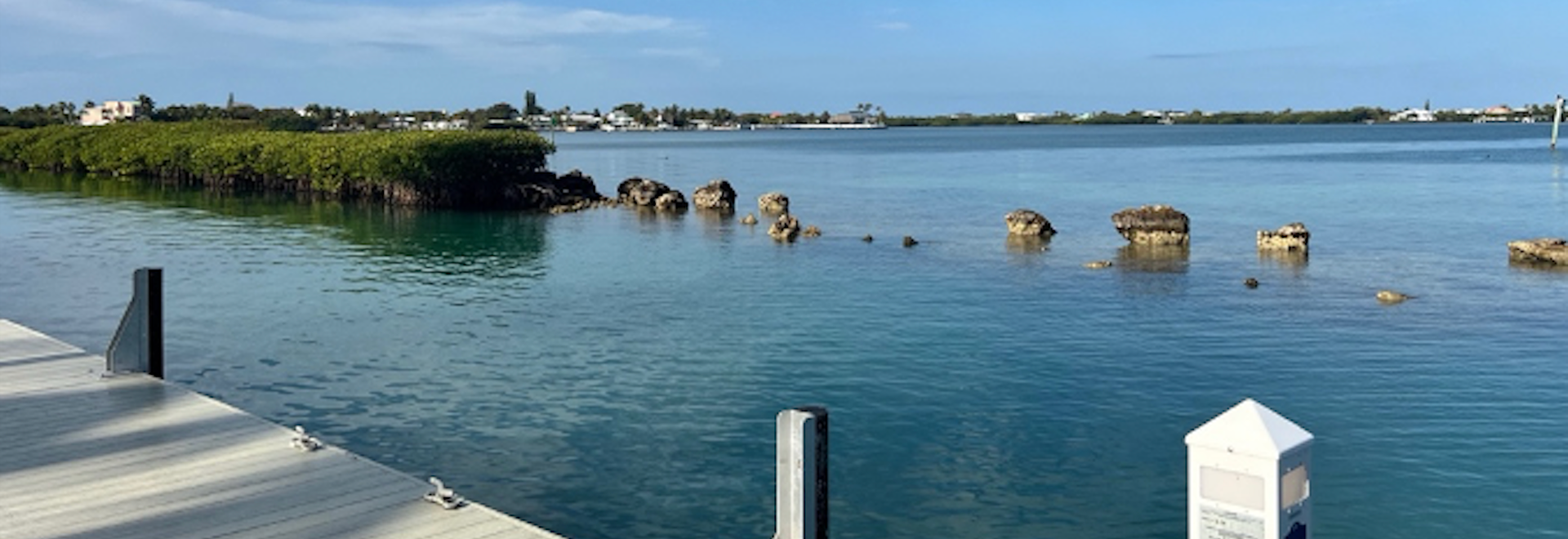
Buried beneath the usual flood of political turmoil and grim environmental headlines, a rare piece of good news made its way around social media: mangroves are making a comeback. A new study, summarized beautifully by Anthropocene magazine, is being hailed as a conservation success story. The study shows that when given a fighting chance (with the combination of rewilding, policy changes, and restoration), mangrove ecosystems can recover. While the headlines are encouraging, the details are a bit more nuanced (aren’t they always…), so it's worth taking a moment to understand what's actually happening and why it matters.
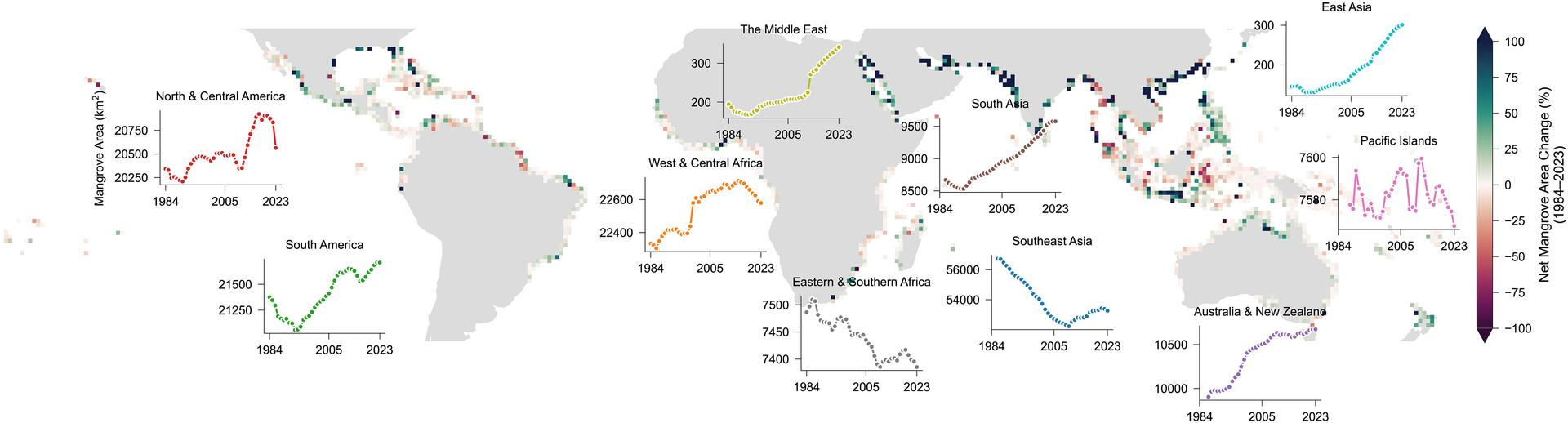
First, it’s important to note the baseline used in this study: 1984. This means that over the past 40 years, we have slowed the global rate of mangrove forest destruction and started to see habitat expansion. Great news! However, viewed in a different light, it’s taken four decades to get back where we started. As the authors of the study state, “This recent increase in gains has offset a large fraction of historical losses, resulting in only a marginal net loss in global mangrove area since the 1980s.” Global trends are moving the right direction, but we haven’t made long term gains yet.
It should also be noted that recovery isn’t uniform across the globe. While Australia, New Zealand, South Asia, and South America have net increases in mangrove area since 1984, Southeast Africa and Southeast Asia are still recording net losses. North and Central America saw initial increases in the early 1990s and 2010s, but have lost most of those gains over the past few years. Unfortunately, places in South Central Florida, South Florida, and the Keys are still losing mangrove area due to development—meaning the work in our neck of the woods is far from over, but well worth doing.